August 5, 2025Operationally Efficient Hotel WellnessHospitality pools & Wellness

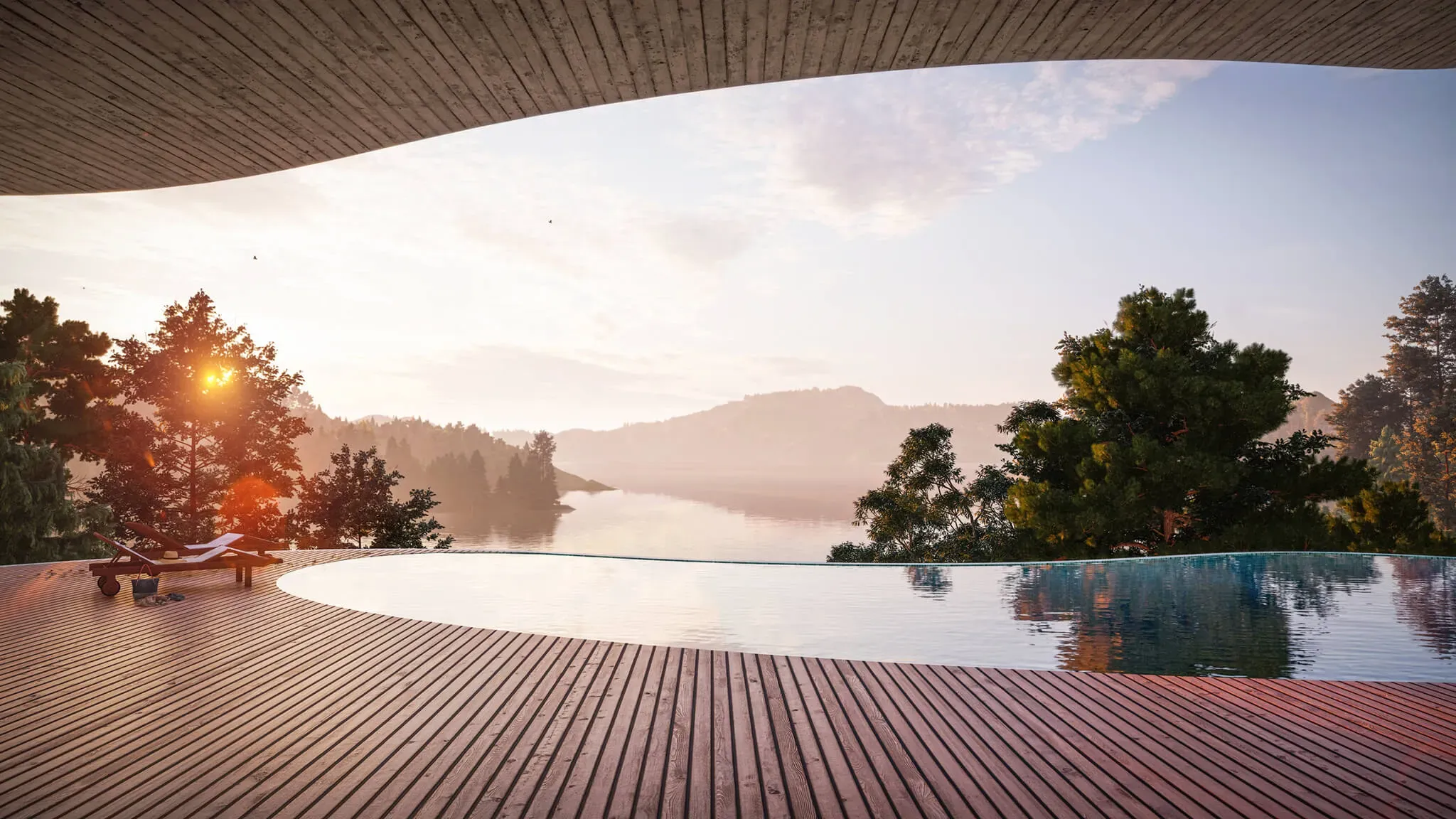
As an infrastructure format, wellness is focused on recovery, relaxation, and physiological comfort. Unlike water entertainment facilities, its objective is not to maximize traffic, but to create a high-quality, controlled user experience that enhances the perceived value of accommodation.
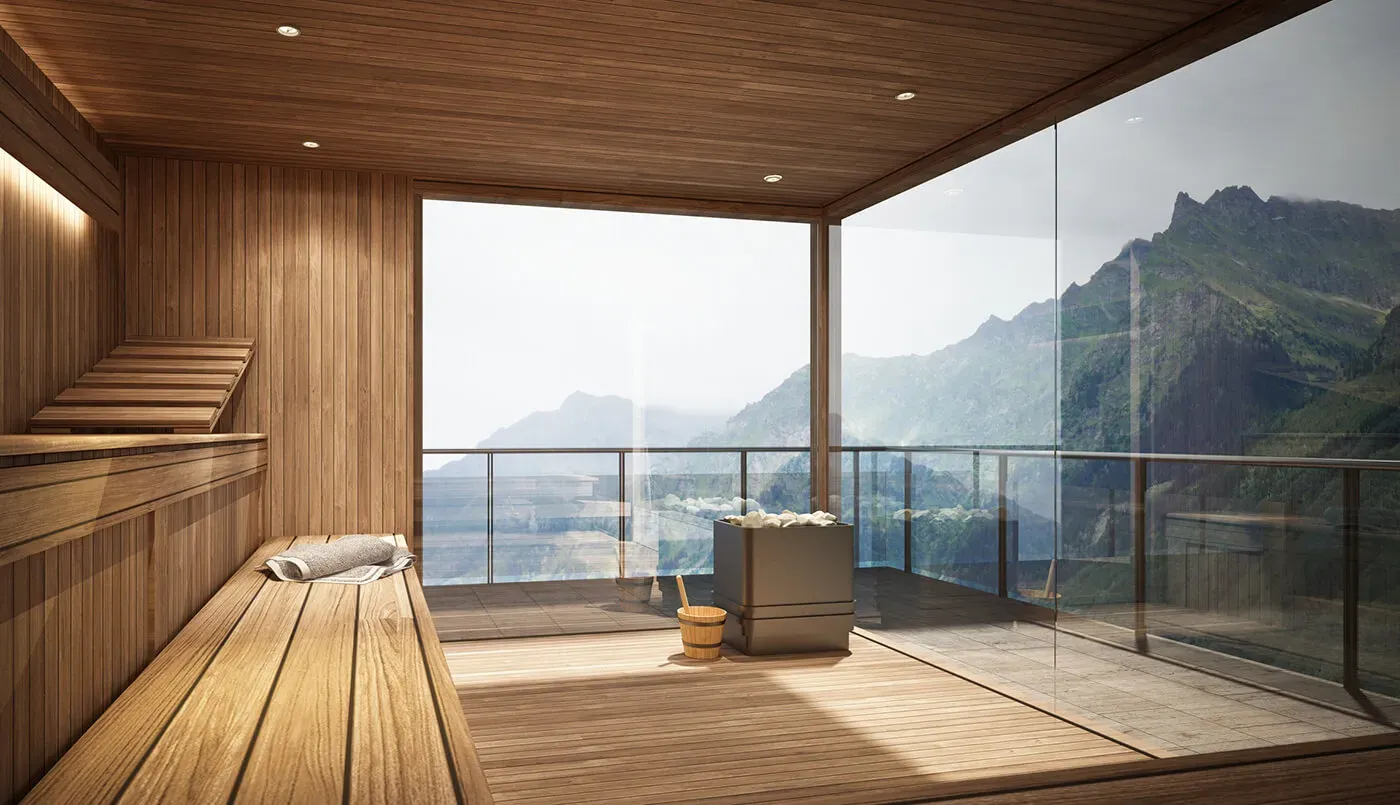
A typical wellness center includes a relaxation pool with hydro-massage and thermal features, a thermal block (saunas, hammam, steam rooms, baths), cold and contrast plunge pools, relaxation areas, as well as massage and treatment rooms. Architecturally and technically, these spaces are designed with an emphasis on acoustic comfort, controlled microclimate, and differentiated usage scenarios.
The economic model of wellness is integrated into the hotel product. The primary effect is achieved through ADR growth (average daily rate) by upgrading the property’s category and expanding its target audience. Additional impact comes from increased length of stay, bundled programs (wellness weekends, detox retreats), and high-margin SPA services.
A waterpark represents an attraction-driven format with high capacity and a fundamentally different monetization logic. Its core objective is to generate mass traffic and create an independent revenue stream that can operate parallel to the hotel business.
A typical waterpark includes water slides of various types (extreme, speed, family, competitive, etc.), wave pools, children’s splash zones, F&B areas, and spaces for events and entertainment programs.
The economic model is based on visitor volume. Revenue is generated primarily through ticket sales, F&B, and additional services. Unlike the wellness format, a waterpark can function as a standalone attraction that is not fully dependent on hotel occupancy. At the same time, the presence of a waterpark can serve as a driver of hotel room demand.
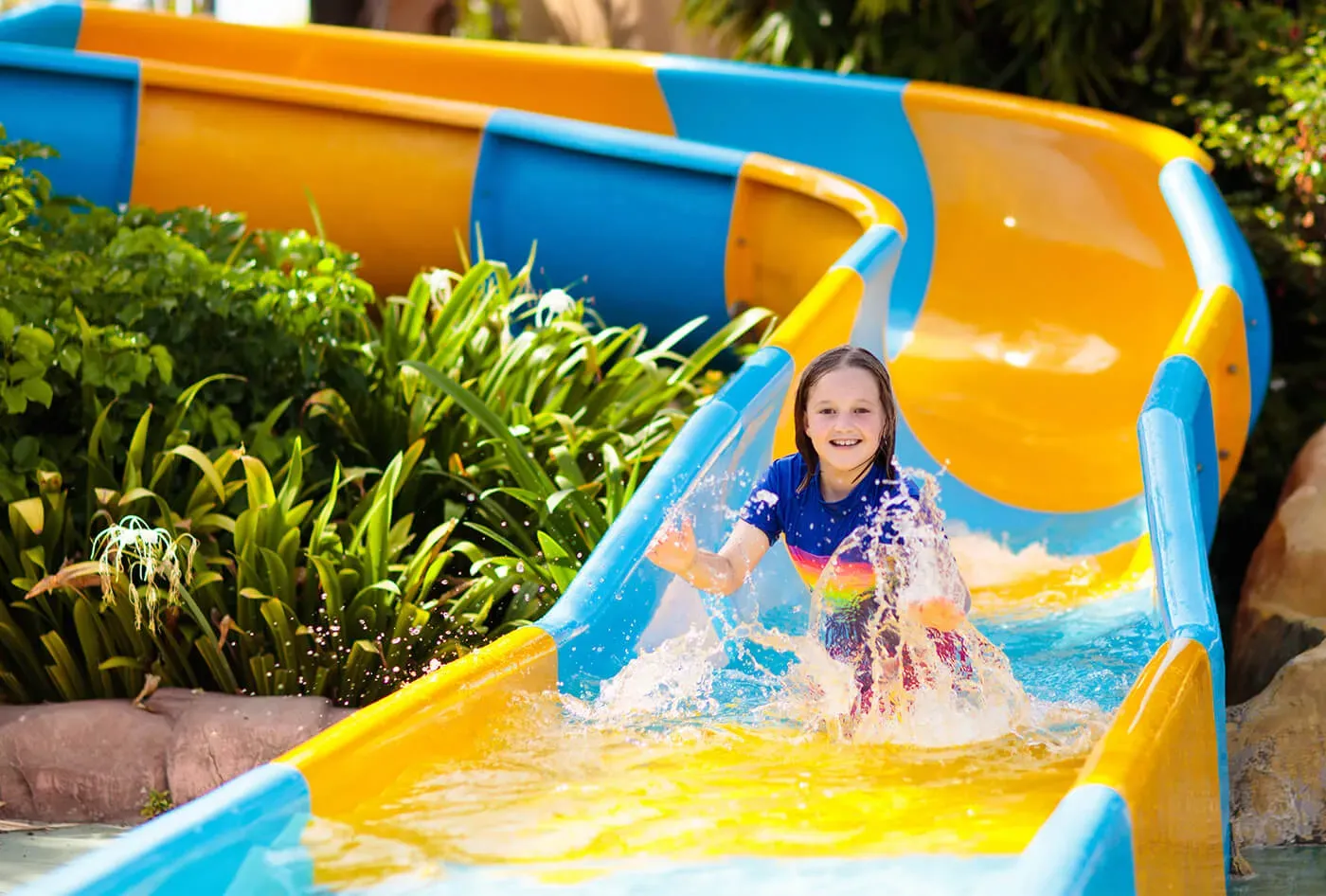
In most cases, a waterpark is economically justified in locations with high potential traffic density — large urban agglomerations, tourist clusters, coastal zones with strong seasonal flows. In this model, it operates autonomously, with a financial structure based on ticket sales, F&B, and supplementary services within the complex.
A wellness center is typically integrated into the hotel infrastructure and is not oriented toward mass external visitors. Its economic effect is indirect: increasing ADR, improving occupancy, extending length of stay, and strengthening the hotel’s competitive positioning.
A waterpark as part of a resort hotel with access limited exclusively to hotel guests. In this case, it ceases to be a standalone revenue center and operates according to a wellness-type model — increasing ADR, enhancing guest loyalty, and improving overall room revenue performance rather than generating income through ticket sales to external visitors.
Developing the concept hypothesis begins not with architectural vision but with quantitative and structural analysis of the target audience.
A high volume of potential traffic — especially with strong seasonal or tourist flows — is a direct indicator of the feasibility of a waterpark format. Mass demand allows efficient loading of high-capacity facilities and the formation of a stable revenue model.
Conversely, in markets with limited traffic, scaling an attraction-driven format leads to excessive CAPEX and elevated OPEX without guaranteed occupancy. In such cases, it is more rational to monetize demand through a higher-quality, higher-priced wellness product, where value is generated not through volume but through depth of service consumption and higher revenue per guest.
A hybrid format — combining a family aqua zone with an attraction component and a separate wellness block — becomes viable only when objective spatial, engineering, and market conditions are met (sufficient audience volume). This is not a compromise between formats but an independent model requiring more complex architectural and financial logic.
From an investment perspective, the hybrid model is the most capital-intensive: larger areas, more complex engineering, and increased equipment volumes. However, when implemented correctly, it becomes the most flexible development tool, allowing simultaneous work with mass family segments and premium wellness audiences, smoothing seasonal fluctuations, and diversifying revenue streams.
The strategic choice of water infrastructure format determines not only architectural composition but also the long-term financial trajectory of the resort.
The decision must be based on market capacity analysis, demand scenarios, revenue structure, and project sensitivity to operating costs. Only the integration of market analytics, engineering feasibility, and financial modeling allows a balanced ratio between investment volume and projected cash flow. Without this approach, even a technically well-designed facility may prove economically unstable.
We develop water and wellness concepts through systematic analysis: traffic assessment, revenue modeling, CAPEX/OPEX calculations, and operational risk evaluation. Contact us to receive a professionally structured concept for your resort with transparent financial parameters and a predictable payback period.