
August 5, 2025Operationally Efficient Hotel WellnessHospitality pools & Wellness
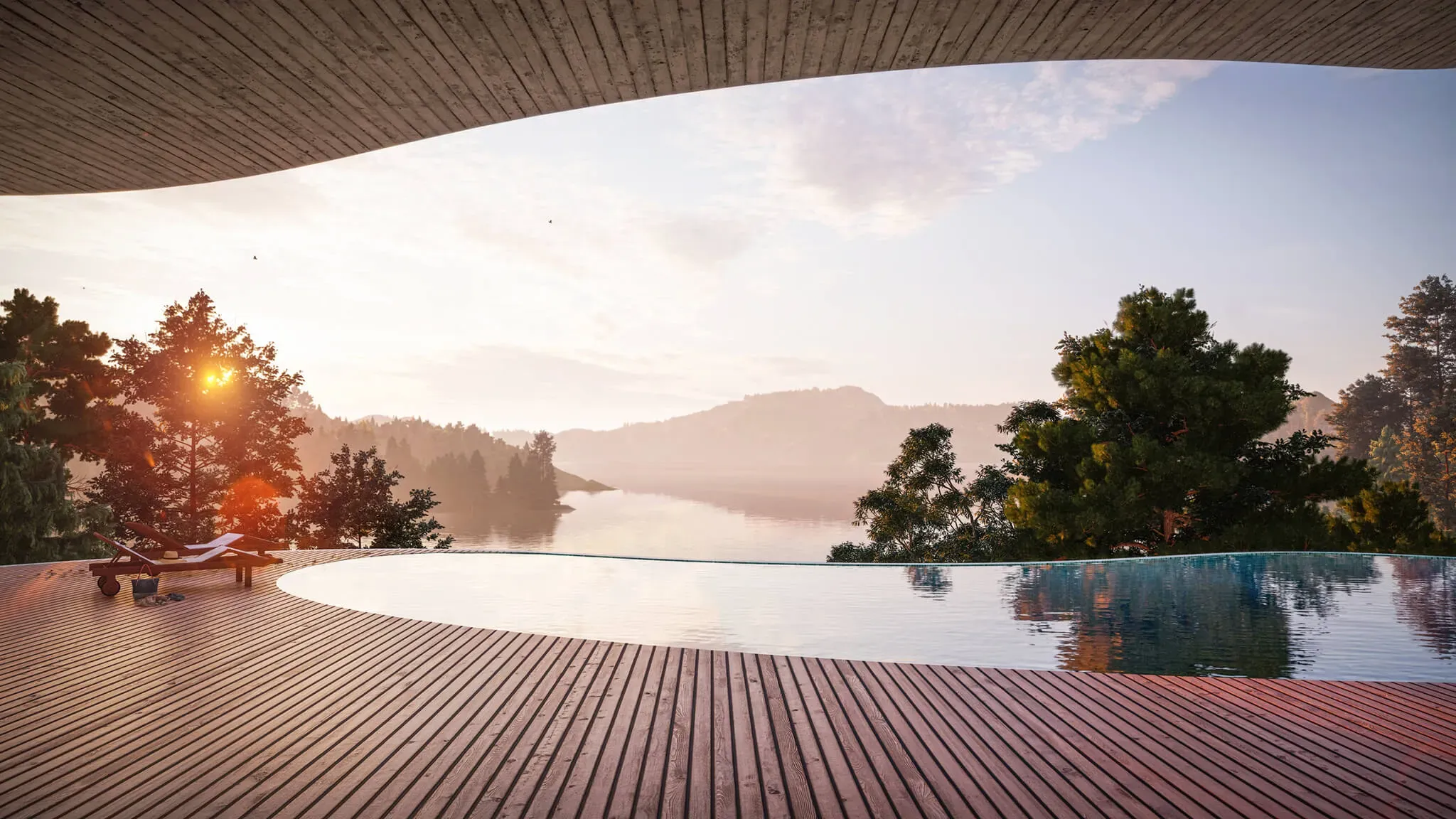
In modern hospitality economics, ADR growth is not achieved through cosmetic upgrades. It occurs when the perceived value of the product changes structurally. One of the few infrastructural components capable of delivering a measurable 15–30% increase in ADR is a properly designed and strategically integrated Leisure Pool Area.
A Leisure Pool Area is not merely a swimming pool. It is a revenue-generating asset that affects competitive positioning, demand elasticity, length of stay, and ultimately EBITDA. When approached through financial modeling rather than architectural intuition, the ADR growth effect becomes predictable and quantifiable.
ADR increases when perceived value grows faster than operating costs. A professionally integrated leisure pool and wellness environment influences ADR through four interconnected mechanisms.
The presence of a high-quality Leisure Pool Area — including pools, thermal elements, or family-oriented water features — shifts a hotel into a higher competitive segment. Guests no longer compare it to accommodation-only properties but to destination and resort hotels. This repositioning enables rate growth without relying solely on occupancy increases.
A Leisure Pool Area expands demand structure by attracting: families with children, weekend leisure travelers, wellness-oriented guests, corporate offsite retreats, local premium day visitors.
This diversification reduces occupancy volatility and strengthens yield management flexibility. An experience-driven product lowers price elasticity. If competitors lack comparable leisure water infrastructure, rate pressure decreases. Guests are willing to pay more because the value of the stay extends beyond accommodation.
Water-based leisure infrastructure encourages longer stays. A hotel without recreational amenities competes on room functionality. A hotel with a Leisure Pool Area competes on experience. Even increasing the average length of stay from 1.6 to 2.1 nights creates a multiplicative revenue effect — before ADR optimization is applied.
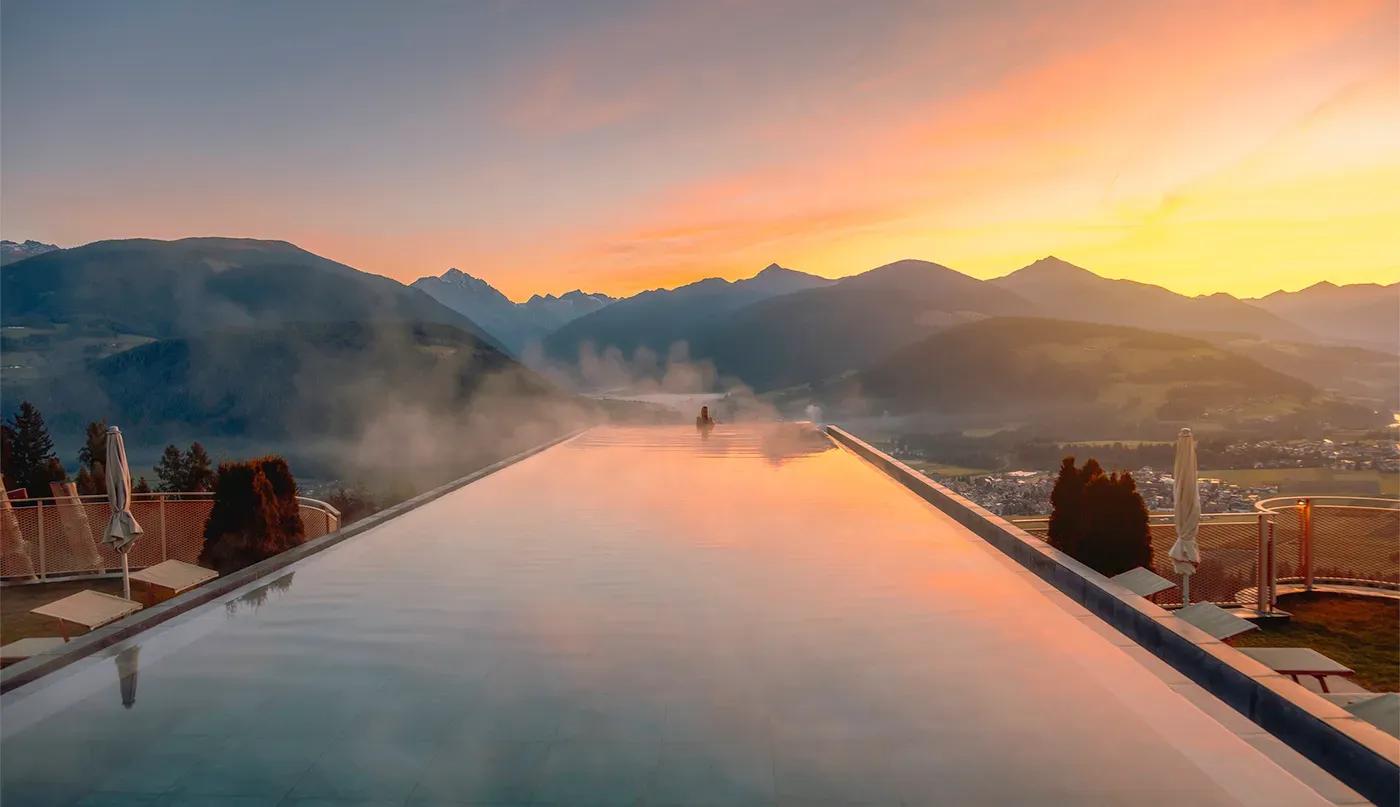
Consider a mid-scale resort hotel: 120 rooms / ADR: 120 USD / Occupancy: 62%
New annual revenue:
Operating costs associated with maintaining the Leisure Pool Area typically account for 35–45% of incremental revenue. This results in additional EBITDA of approximately 550–650 thousand USD per year. Importantly, this growth is achieved without expanding room inventory — purely through enhanced perceived value and improved demand structure.
Room revenue uplift represents only part of the financial effect. Integration of a Leisure Pool Area commonly leads to: increased F&B revenue (pool bar, wellness menus), higher spa and treatment income, private area rentals, premium room category upselling, bundled leisure packages, event-driven weekend demand. In resort properties, F&B revenue often increases by 8–15% after commissioning a Leisure Pool Area.
The financial effect extends beyond operational income. If a Leisure Pool Area increases EBITDA by 600,000 USD and the hotel is valued at a 5× multiple, asset capitalization increases by approximately 3 million USD. In many cases, the increase in asset value exceeds the initial CAPEX investment. From a developer’s perspective, a Leisure Pool Area is a capital value enhancement strategy.
ADR growth does not occur automatically. Technical parameters, scale, and integration must be carefully calibrated.
ADR growth generated by a Leisure Pool Area results from structural changes in revenue composition and competitive positioning — not from architectural aesthetics alone. Water-based leisure infrastructure becomes a true demand driver only when architecture, engineering systems, and financial modeling are synchronized as a unified strategy from the earliest stages of development.