November 25, 2025How a Hotel’s Leisure Pool Area Increases ADR by 15–30%Hospitality pools & Wellness
The modern hospitality and mixed-use development market is increasingly utilizing recreational water spaces as a strategic tool for enhancing the investment attractiveness of a property. Artificial lagoons have evolved far beyond being purely decorative elements and have transformed into independent infrastructure assets capable of generating additional commercial value for a project.
A lagoon is not merely a leisure area, but a central element of a property’s recreational concept. Large-scale water infrastructure helps create a unique resort positioning, increase guest length of stay, expand the range of services, and generate additional revenue streams.
Lagoons directly influence a property’s key financial performance indicators. The presence of a large recreational aqua zone enables an increase in ADR by creating a premium product and enhancing guests’ perception of the property. At the same time, TRevPAR grows through the development of additional services such as restaurants, beach club spaces, wellness infrastructure, sports activities, and event functions. Such facilities also demonstrate increased average guest stay duration, as the lagoon itself becomes a standalone reason for guests to remain within the complex. For developers, this translates into reduced seasonality, higher occupancy rates, and accelerated return on investment.
Artificial water bodies significantly enhance project liquidity and the perceived value per square meter. This effect is especially pronounced in resort apartment developments and wellness complexes, where the water space becomes the central social core of the entire project. Unlike a conventional swimming pool, a lagoon creates a fully immersive recreational environment perceived as part of a natural landscape, which has a much stronger emotional impact on real estate perception.
Artificial water bodies and lagoons are powerful tools for the visual positioning of a project. Such facilities possess strong communication potential and help create a distinctive brand image that differentiates the property from competitors. In today’s hospitality industry, a property’s visual identity directly influences sales conversion and brand recognition, while large-scale water infrastructure becomes a key component of that identity.
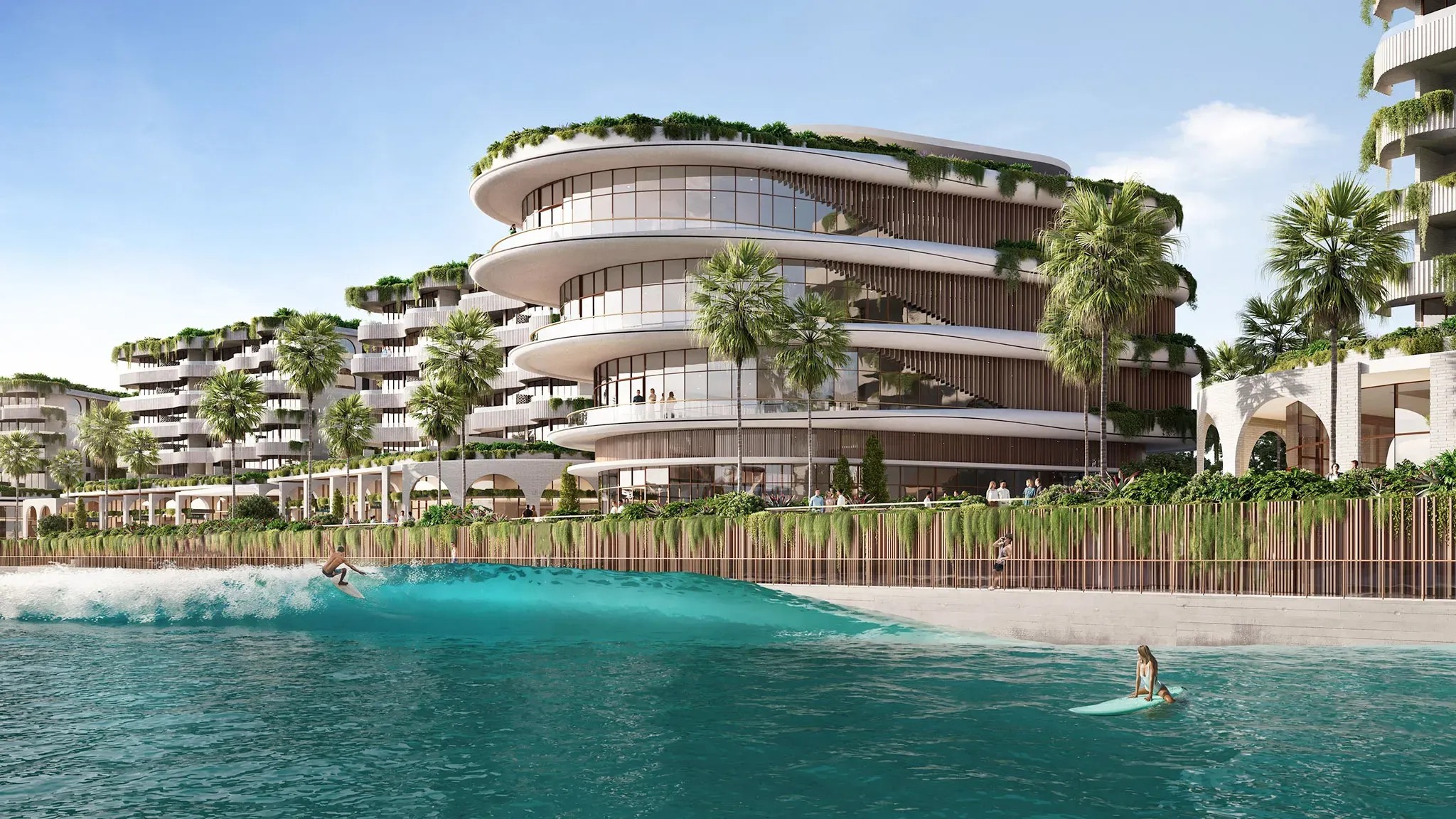
Depending on the project scale and concept, a lagoon can integrate various operational scenarios — from relaxed family beach recreation to full-scale sports infrastructure. Lagoons can accommodate beach clubs, restaurants, wellness zones, children’s aqua areas, wake parks, surf wave zones, kayaking routes, and open-air venues for events and concerts. As a result, the water zone becomes not merely a landscaping element, but an integrated ecosystem for the entire property. Such projects also gain additional value through improvements to the urban environment and local microclimate. Large water surfaces enhance the visual perception of developments and create a sense of natural surroundings even within dense urban structures.
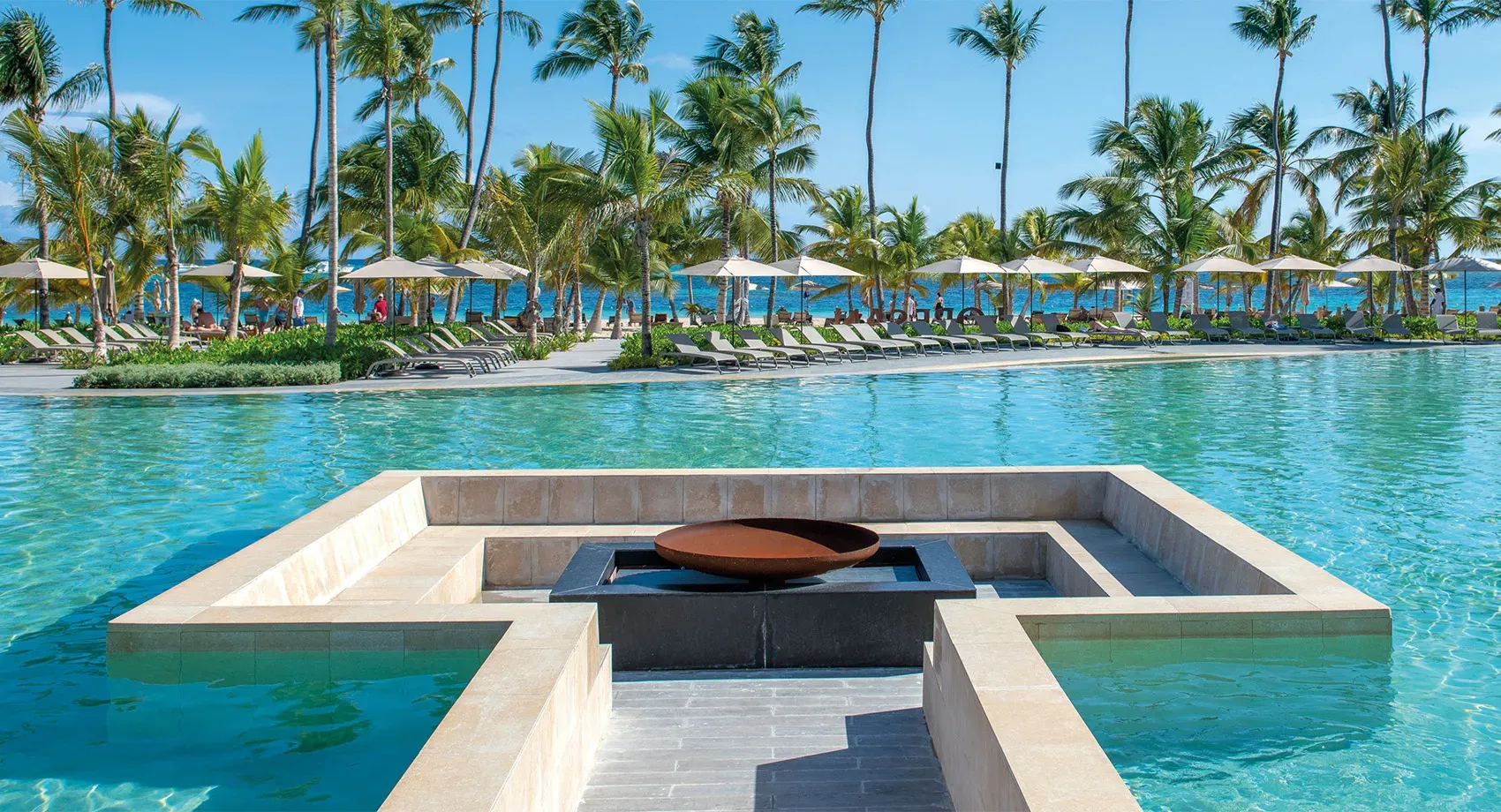
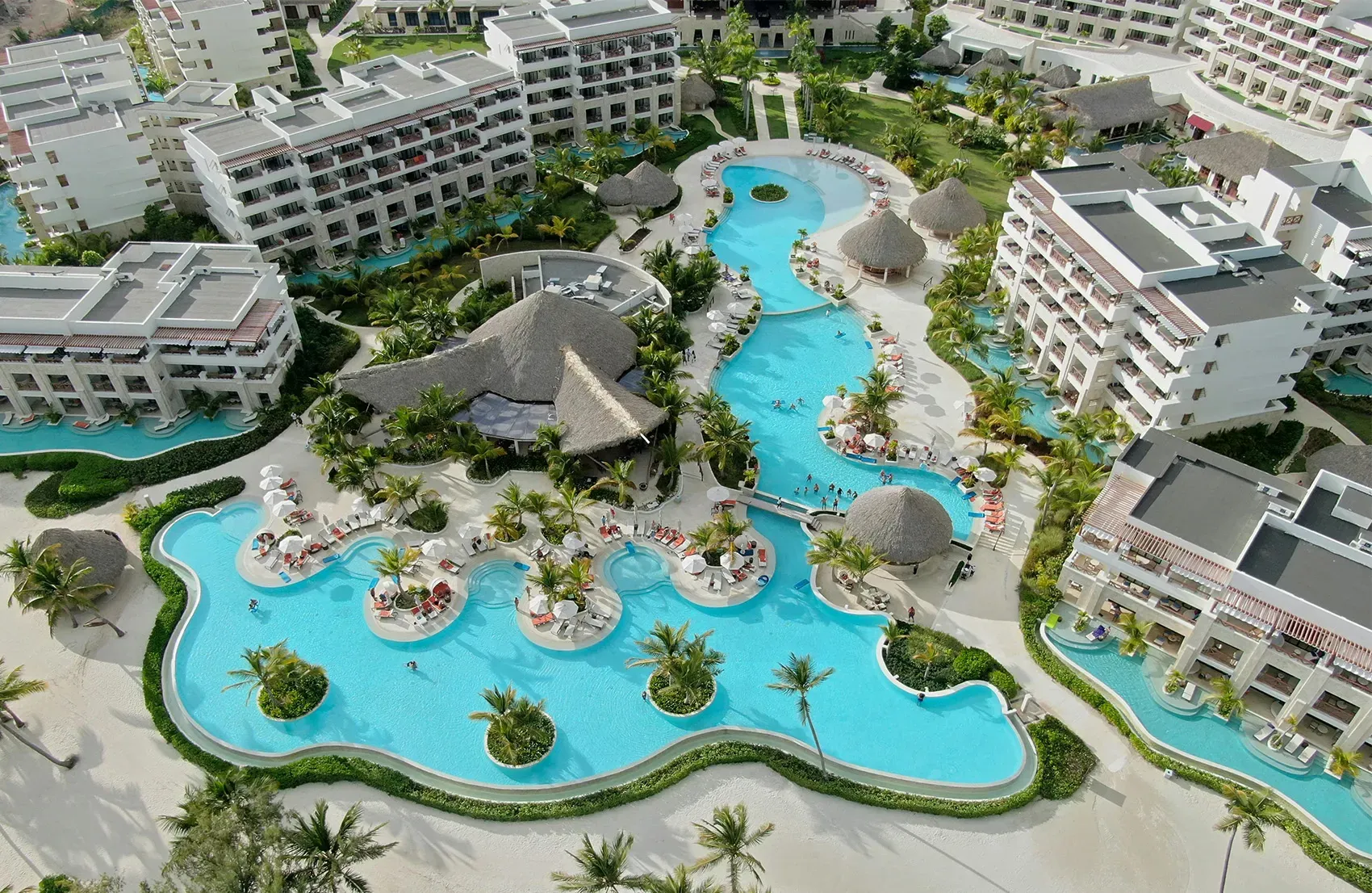
Despite their visual similarity to natural water bodies, modern lagoons are highly sophisticated hydraulic engineering systems operating according to the principles of public swimming pools. The key challenge in design lies in maintaining high water quality across large water surface areas while simultaneously ensuring energy efficiency and operational sustainability. At the early concept stage, it is critically important to establish the lagoon’s functional zoning, depth distribution, operational scenarios, and integration of engineering infrastructure. Mistakes made during the master planning stage subsequently lead to significant increases in CAPEX and OPEX due to extended pipeline lengths, increased hydraulic losses, and greater operational complexity.
Most modern lagoons are designed with depths ranging from 1.5 to 2 meters, ensuring user safety while maintaining the possibility of integrating various water activities. Typically, a lagoon combines beach-entry areas with gradual water access, deeper functional zones, and decorative elements. Particular attention is paid to the placement of technical facilities. Contemporary projects often utilize a distributed engineering infrastructure layout, where multiple technical rooms are integrated into different sections of the water body. This approach minimizes pipeline lengths and significantly improves the overall energy efficiency of the system.
The hydraulics of such water bodies represent one of the most complex aspects of the design process. The recirculation system must ensure uniform water movement throughout the entire lagoon without the formation of stagnant zones. To achieve this, combined surface and bottom water intake systems are utilized. Typically, approximately 70–80% of the water is collected through skimmer systems that remove floating contaminants, while the remaining volume passes through bottom intake devices that prevent sediment and heavy particle accumulation.
After filtration and disinfection, the water is returned through supply nozzles positioned along the perimeter and at the bottom of the lagoon basin. This configuration creates stable circulation throughout the entire water volume and maintains consistent water quality across all functional zones. Despite the large water volumes involved, water quality requirements remain equivalent to public swimming pool standards. In freshwater lagoons, sodium or calcium hypochlorite combined with UV treatment is most commonly used. Saltwater lagoons frequently employ salt electrolysis systems, reducing chemical consumption and improving operational sustainability. Modern automation systems provide continuous monitoring of key water parameters, including free chlorine, pH, ORP, temperature, turbidity, and filtration performance. This is especially important for large-scale water complexes, where stable water quality directly affects operational safety and user experience.
Structurally, lagoons represent multilayer hydraulic engineering systems. The foundation typically includes compacted soil, drainage layers, geotextiles, concrete preparation, and waterproof PVC or EPDM membranes. Beach zones are often constructed using colored concrete or specialized quartz coatings that create the visual effect of a natural sandy shoreline. When properly engineered, an artificial lagoon becomes a sustainable and highly efficient infrastructure element capable of delivering a premium user experience with relatively low operational costs. In the modern hospitality and real estate industry, such water bodies are gradually transitioning from unique features to strategic recreational assets that define a project’s long-term competitiveness and investment attractiveness.